As volatility tests traditional growth models, one 70-year-old giant is betting on integrated strength to stay ahead of uncertainty.
The global economy is outpacing the models designed to explain it. Energy systems are being rebuilt even as demand rises, and supply chains are adapting to geopolitical shifts just as digital infrastructure scales at unprecedented speed. Climate transition, demographic change and AI are reshaping markets in real time—often simultaneously and unpredictably.
For large enterprises, the question is not simply how to grow, but how to do so while ensuring their foundations remain resilient: reading signals early, managing risk across systems and investing with confidence amid uncertainty. Increasingly, that challenge favors companies that integrate capabilities across industries and time horizons, rather than optimizing within a single sector.
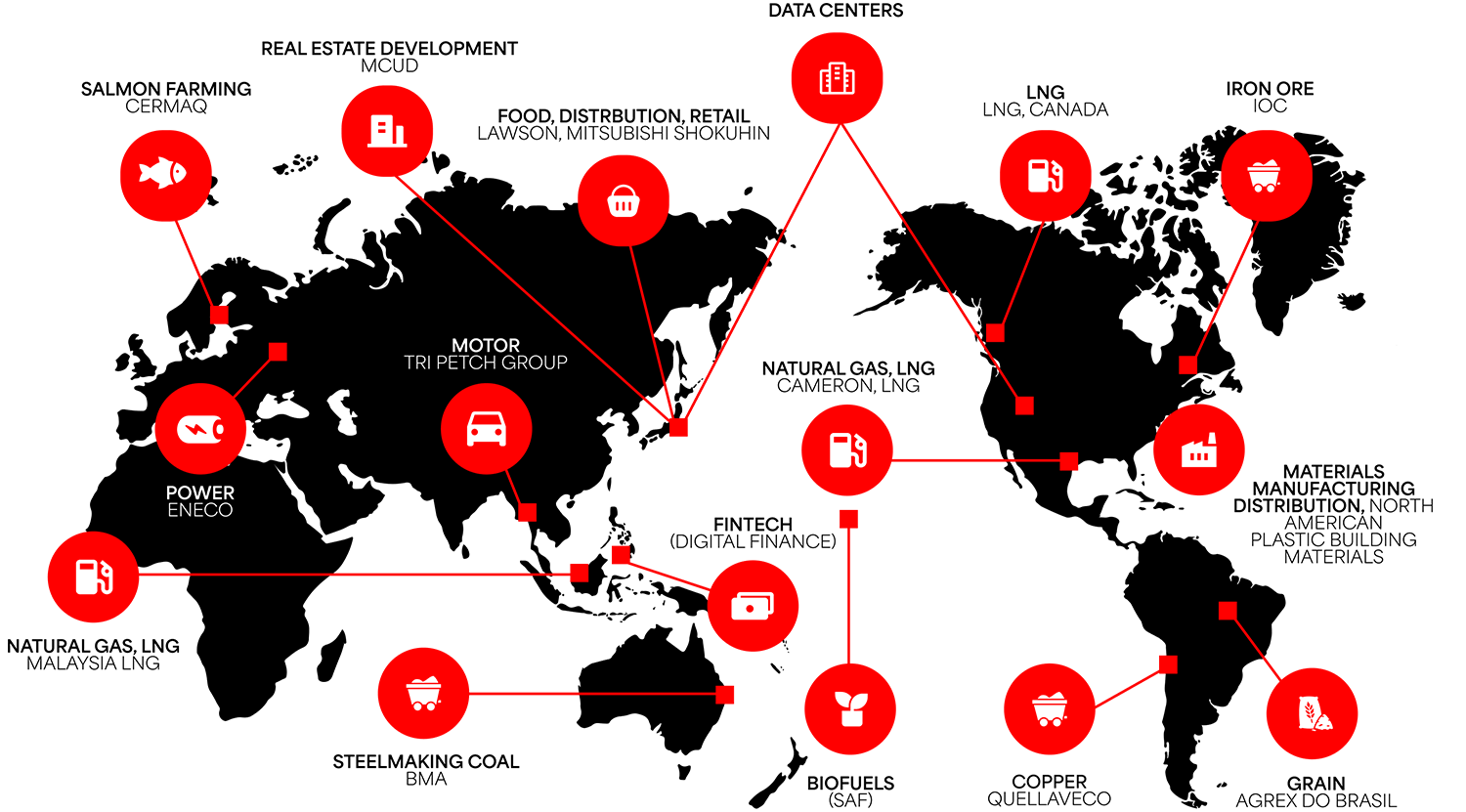
Few companies sit as squarely within this complexity—and navigate it to build a competitive advantage—as Mitsubishi Corporation, which operates in more than 70 countries and spans nearly every major industry. And it continues to expand to new frontiers, as shown in January when the company announced its agreement to acquire Aethon, a major U.S. shale gas operator in Texas and Louisiana, for approximately $5.2 billion.
As the largest single investment in the company’s history, this transaction strengthens Mitsubishi Corporation’s integrated energy value chain—from upstream ownership to domestic sales, power generation and LNG exports. More broadly, it illustrates how the company is positioning itself for the next phase of global energy demand, particularly as electricity consumption accelerates in an AI-driven economy.
“Global energy demand is expected to continue rising, driven by the rapid evolution of AI and an increasingly data-driven society,”
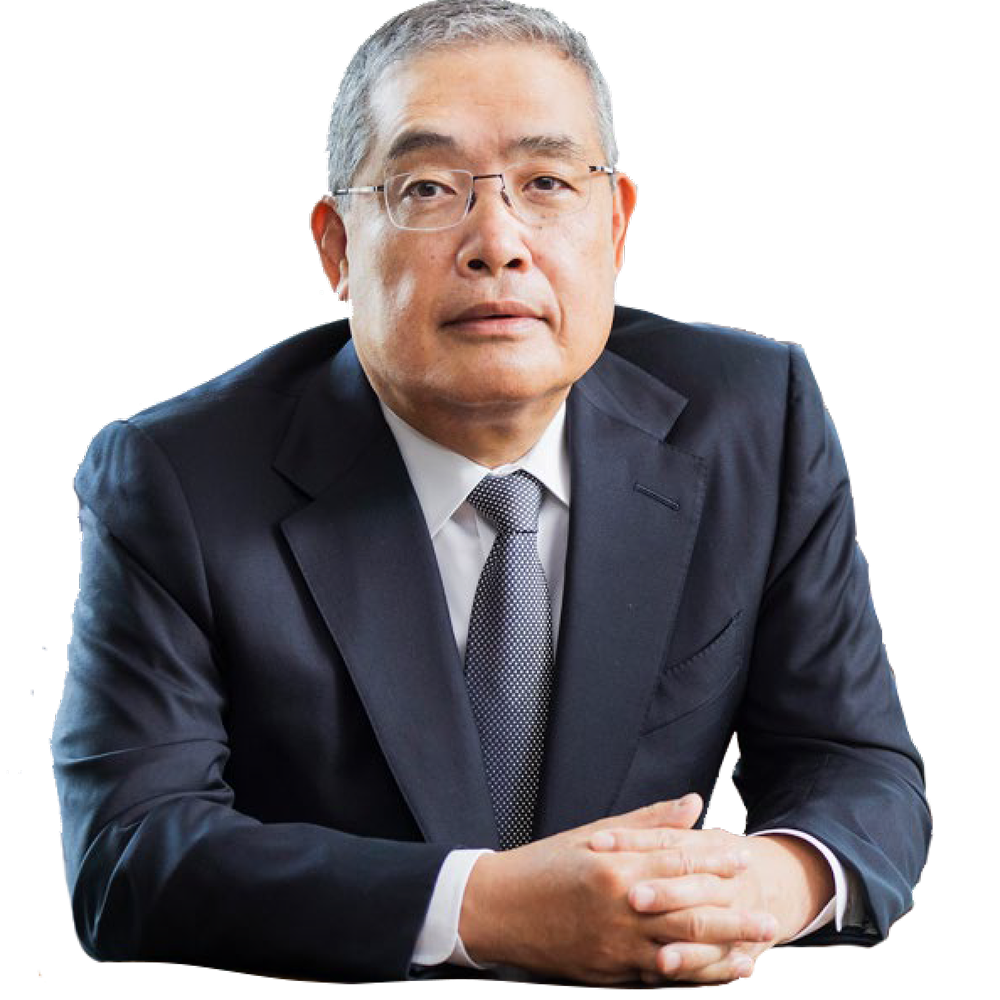
says Mitsubishi Corporation President and CEO Katsuya Nakanishi. “By acquiring cost-competitive gas assets in the U.S., we will build a natural gas value chain that addresses global energy challenges such as increasing energy demand and the transition to decarbonization.”
The significance of the Aethon acquisition lies less in scale than in what it signals about the company’s future trajectory. The project is expected to contribute to earnings from FY2026 and, by FY2027, to generate underlying operating cash flow of $1.7–1.9 billion (¥270–300 billion) and consolidated net income of approximately $441–504 million (¥70–80 billion), representing material progress toward the quantitative targets set out in Mitsubishi Corporation’s strategy.


The Aethon deal goes to the heart of Mitsubishi Corporation’s corporate vision. By linking global information networks, on-the-ground experience, disciplined capital allocation and long-term partnerships, the company has navigated oil shocks, commodity cycles, financial crises and technological disruption while maintaining resilient earnings.
“The challenge is to remain reliable and adaptable at the same time,” says Nakanishi, “grounded in long-term vision, yet capable of bold revisions in response to volatility.”
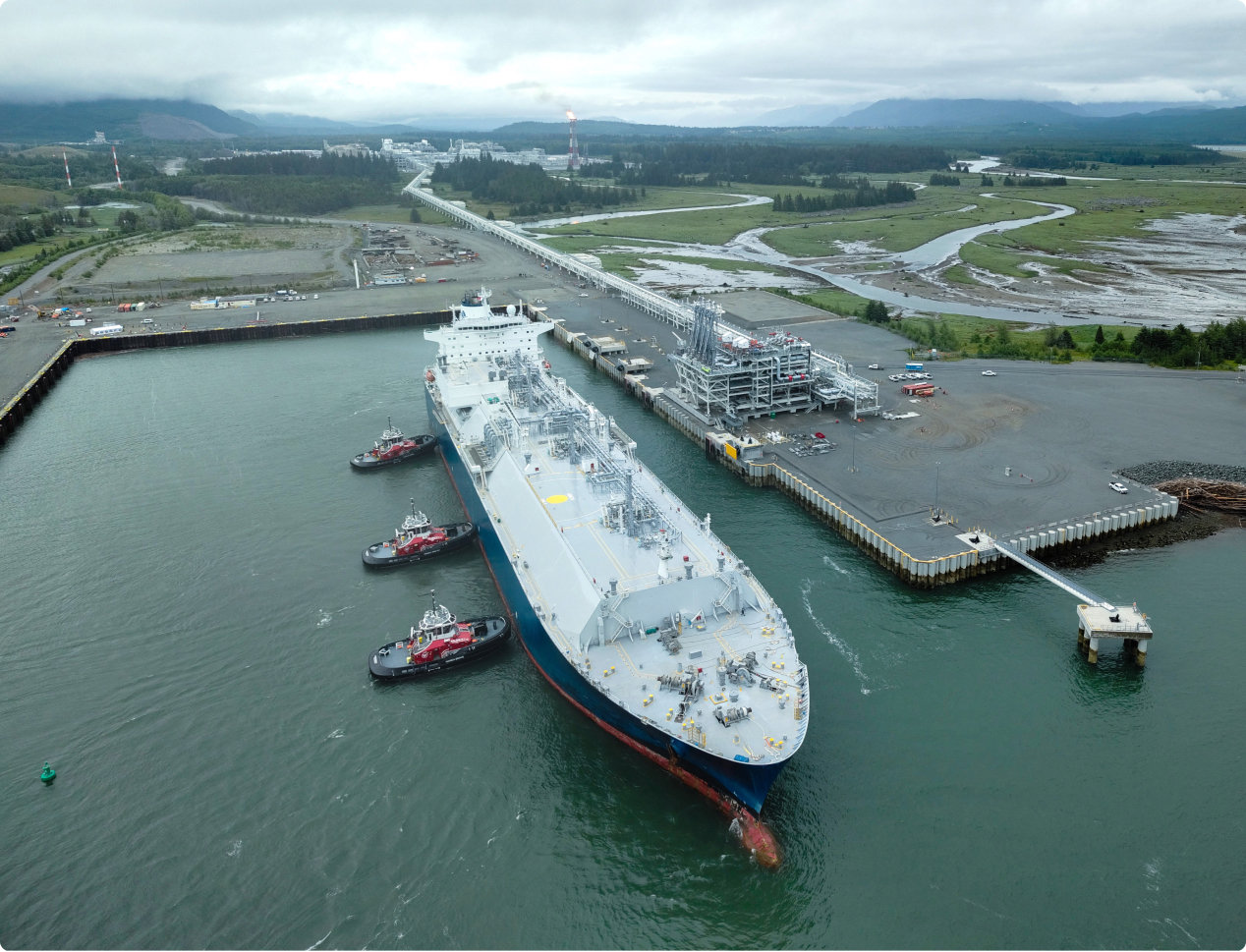
At the core of that balance is what the company calls its integrated strength—the ability to connect capabilities across industries and geographies so that insight, capital and expertise compound over time. For example, experience in LNG development informs decisions in power generation and industrial decarbonization. Longstanding engagement in North American natural gas—including upstream development in Canada; midstream marketing through CIMA Energy in Houston; LNG exports via Cameron LNG and LNG Canada; and power generation through Diamond Generating Corporation—now feeds directly into the integration of Aethon’s shale assets.
“By starting with cost-competitive upstream gas, assembling a comprehensive portfolio of products and supplying them both within the U.S. and globally, we will build a value chain that is unique to Mitsubishi Corporation,” says Nakanishi. “At the same time, by diversifying products and commercial flows, we believe we can strengthen resilience across the value chain and mitigate business risks.”

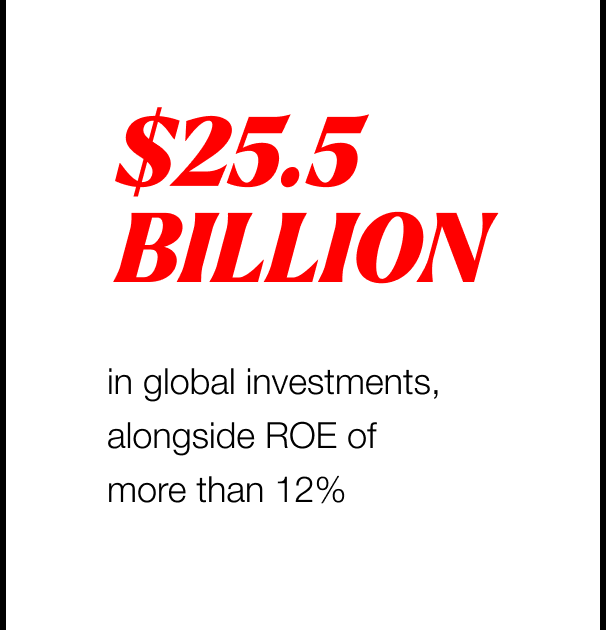
That philosophy is captured in its Corporate Strategy 2027, which organizes Mitsubishi Corporation’s growth around a clear value-creation framework: Enhance, Reshape and Create. Backed by $25.5 billion (¥4 trillion) in planned investments and a target return on equity of more than 12%, the strategy blends both ambition and discipline.
Under Enhance, the company continues to reinforce core businesses that combine stable cash flows with long-term relevance, accelerating growth through expansion investments in areas where it has proven expertise. In food, for instance, Mitsubishi Corporation subsidiary Cermaq’s acquisition of salmon-farming operations from Grieg Seafood in Norway and Canada expands production capacity and deepens a vertically integrated model spanning production, processing and sales. The transaction lifts salmon production volume by more than 20%, positioning Cermaq as the world’s second-largest salmon producer and sharpening a durable competitive advantage.
Reshape focuses on transforming existing operations through partnerships and portfolio shifts. In Chile, a joint mine plan linking the adjacent Los Bronces and Andina copper mines brings together Mitsubishi Corporation’s affiliate Anglo American Sur and state-owned Codelco.
By coordinating development and optimizing existing infrastructure, the project is expected to unlock significant value at a time when long-term copper demand is being driven by electrification and decarbonization.
Create is most clearly expressed in the Aethon acquisition. By acquiring a large-scale shale gas asset in the Haynesville, one of North America’s most competitive gas basins, Mitsubishi Corporation is applying decades of accumulated expertise across the energy value chain. The assets’ proximity to LNG export terminals, including Cameron LNG where Mitsubishi Corporation holds liquefaction capacity, creates opportunities to optimize flows from upstream gas development through domestic sales and potential LNG exports to Asia and Europe.
Beyond energy, the project opens pathways for cross-sector value creation unique to an integrated trading company: supplying gas to power generation, data centers and chemical production, while strengthening earnings resilience through scale and optionality.

Mitsubishi Corporation’s advantage lies in its ability to sit at the intersection of industries and build for the future. Natural gas and LNG operations inform investments in power generation and data centers; experience in aquaculture, grain logistics and retail operations feeds into strategies for global food supply chains; consumer-facing insights shape upstream production and distribution choices.
This fluidity allows the company to manage supply chains, financing, market access and operations as a single system—while recycling capital dynamically as conditions evolve. The Aethon acquisition, linking upstream gas assets with downstream demand and adjacent industries, exemplifies this approach in practice.
The company’s global talent base, Nakanishi adds, brings diverse perspectives that challenge assumptions and sharpen decision-making. “Our strength comes from teams who can think across boundaries and act with agility,” he says. “By strengthening our collective capabilities, we create value that is greater than the sum of its parts.”
Whether advancing the energy transition, securing essential resources, strengthening food systems or building digital and urban infrastructure, Mitsubishi Corporation approaches growth as a long-term commitment—not a cycle to be traded. In a volatile world, the company is able to anticipate change and flexibly adapt its business strategies by bringing together its integrated strength—extensive operational experience, broad industry expertise, deep insights and a diverse talent base.
“Our mission has always been to contribute to society through business,” Nakanishi says. “By leveraging our integrated strength, we aim to continue creating value that endures—across industries, regions and generations.”

From energy to food systems and digital infrastructure, Mitsubishi Corporation is positioned where supply chains shift, demand accelerates and new markets emerge—linking resources, infrastructure and investment across regions in real time.