※Translated from Japanese
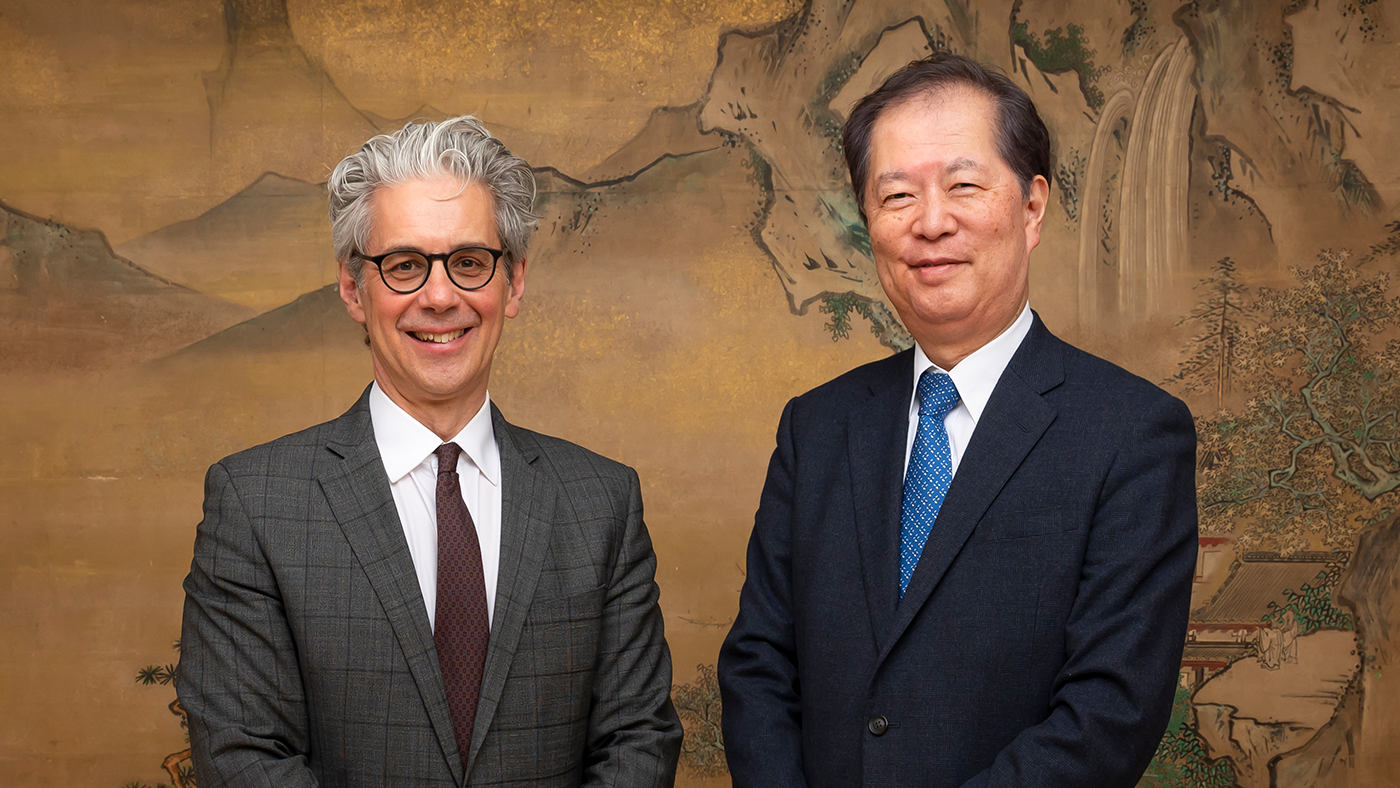
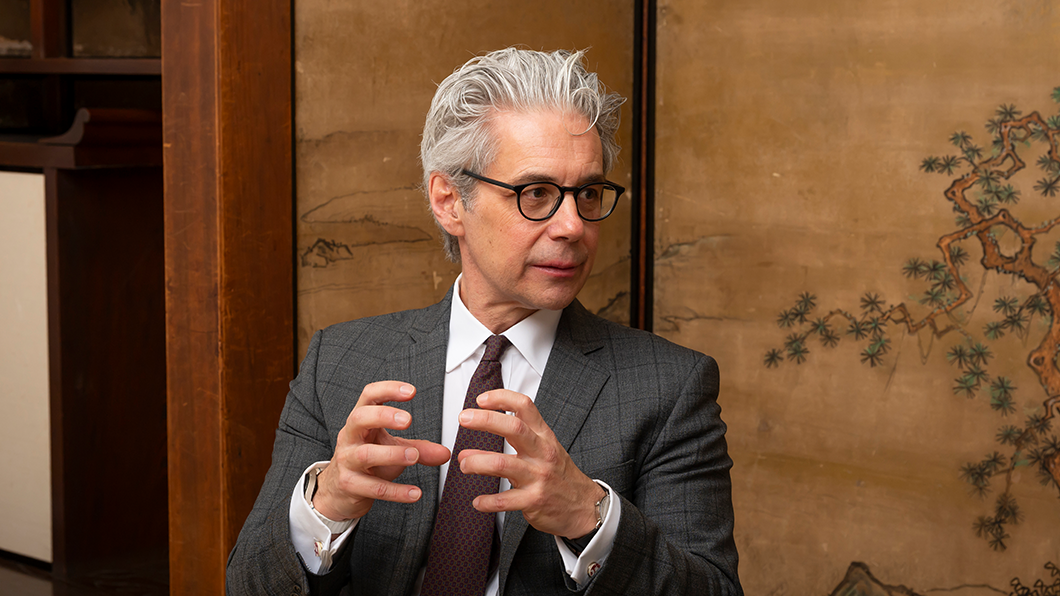
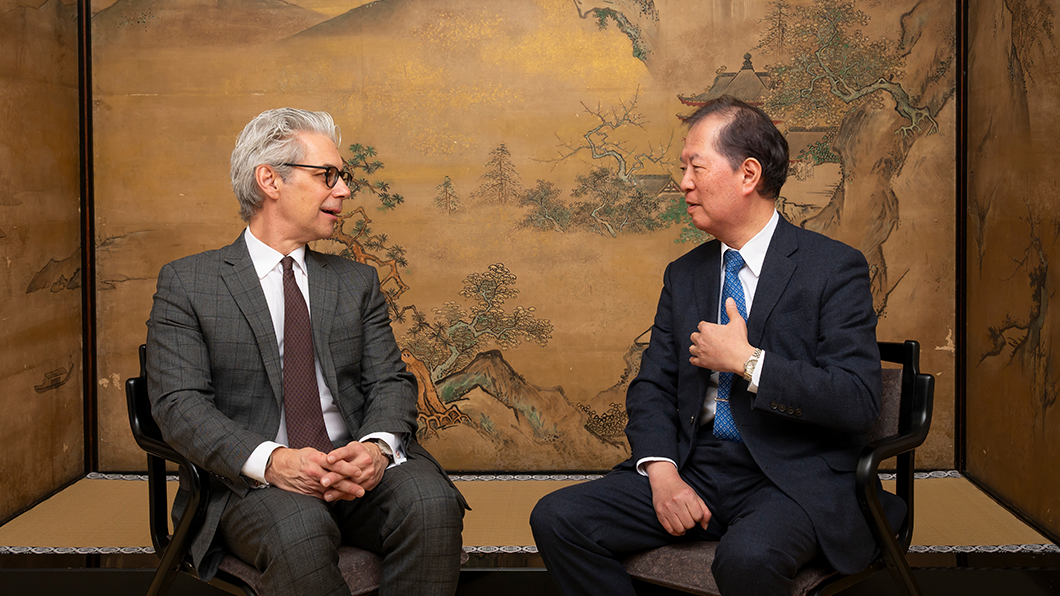
As social circumstances fluctuate, the role of museums has also undergone significant change. From the perspectives of institutions representing Japan and the United States, Makoto Fujiwara, Executive Director of the Tokyo National Museum, and Chase F. Robinson, Director of the Smithsonian’s National Museum of Asian Art, discussed the future of museums, including fiscal sustainability and how to engage younger generations.
The Unique Appeal of Japanese Culture
Fujiwara Both the Tokyo National Museum (TNM) and the Smithsonian’s National Museum of Asian Art have histories spanning more than 100 years. Both institutions also serve as important centers for transmitting Japanese culture to the world.
Robinson Our museum opened in 1923 as the first American national art museum, and our Japan collection accounts for about one-third of the total. We have many staff members, including curators responsible for Japan as well as specialists who play a key role in broadly introducing Japanese culture.
Fujiwara Japanese cultural properties express the four seasons in many ways, allowing visitors to experience the appeal of Japanese culture through these expressions. Because Japan was not extensively divided as a nation until modern times, relatively few cultural properties were destroyed. The enduring works teach us a great deal about Japan’s historical richness.
By closely examining cultural properties that have been passed down, we have come to understand how hiragana and katakana developed during the Heian period, and how Kabuki emerged from commoner culture in the Edo period. Cultural properties also illustrate how Japanese culture has absorbed and reinterpreted foreign influences, such as the development of Yamato-e from Chinese painting and the emergence of wabi-cha culture following the introduction of tea.
Robinson Japanese cultural properties span a wide range of genres and are very diverse. In the United States, however, interest in Japanese art often concentrates on specific areas such as ukiyo-e and shin-hanga, which can lead to a stereotyped image of Japanese culture. To broaden understanding, we have actively collected works in previously under-represented areas, including 19th- and 20th-century painting, 18th- and 19th- century lacquerware, postwar Japanese photography, and modern Japanese metalwork.
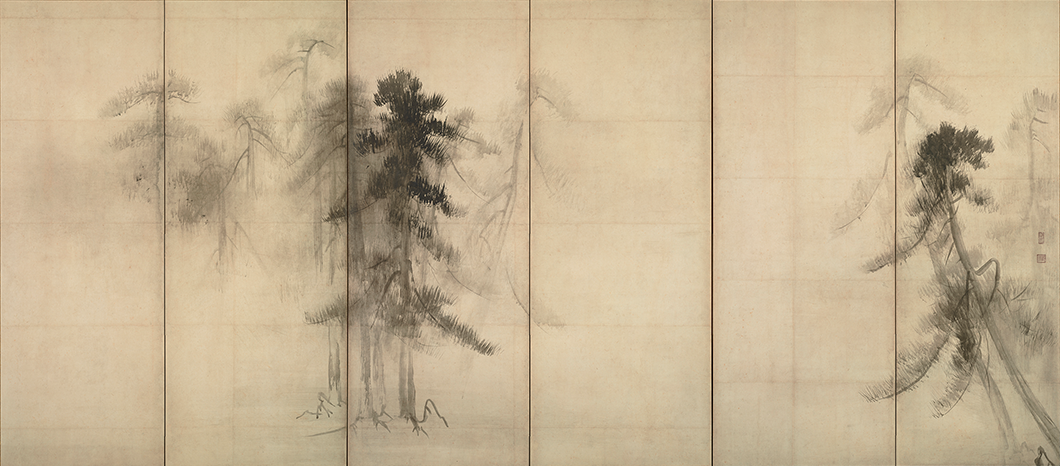
Scheduled for display at the Tokyo National Museum from January 2027
From ColBase
The Changing Role of Museums
Fujiwara Traditionally, the role of museums was centered on the “preservation and utilization of cultural properties.” As society has changed, however, the role and raison d’etre of museums and art museums have shifted significantly. In Japan, revisions to the Museum Law in 2022 expanded museum roles to include promoting diverse activities ranging from tourism to international exchange and contributing to regional communities. Museums are no longer only preserving and displaying the past, but are also increasingly expected to function as cultural and public infrastructure that helps create the future together with society at large.
Robinson We divide the role of museums into four areas—preservation, education, research, and cultural diplomacy. In an era of rapid social, cultural, economic, and environmental change, the fundamental, long-term role of museums remains preservation, encompassing both tangible and intangible cultural properties.
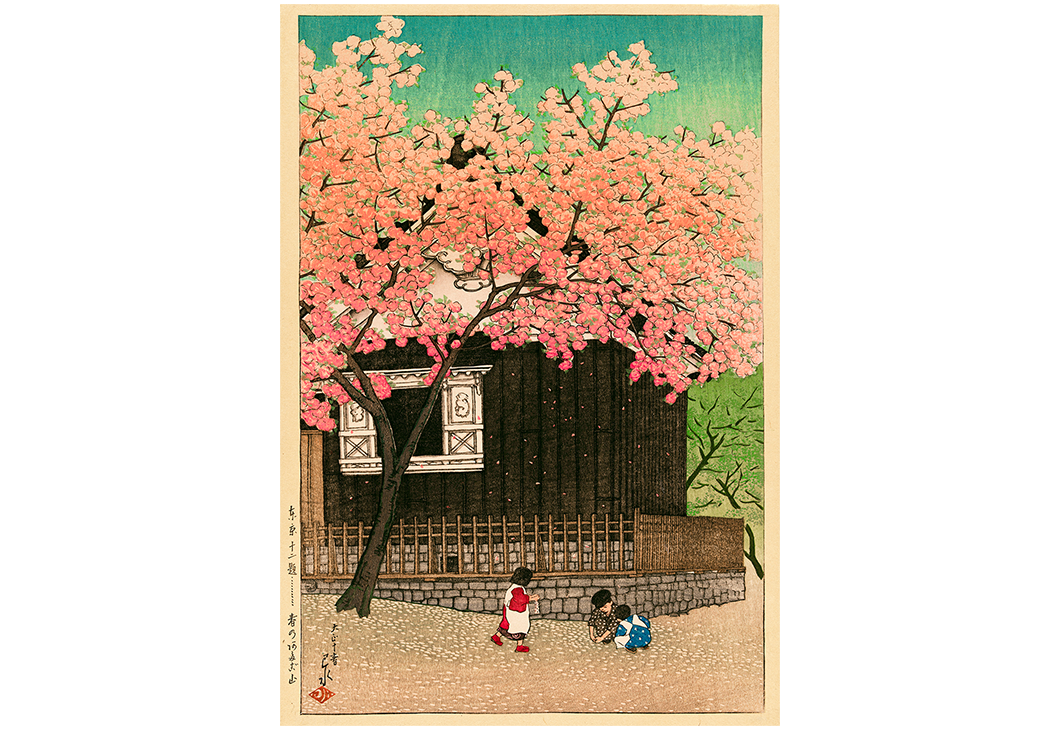
Education involves activities designed to inspire people, such as providing online access to collections and conducting outreach lessons in schools, in addition to gallery exhibitions. Related to Japan, for example, we have organized tea ceremony seminars where participants can handle tea utensils, learn how they are made, and understand their use, as well as film festivals devoted to Japanese cinema and cherry blossom festivals.
Research involves curators and specialist staff generating new knowledge by drawing on collection items and accumulated expertise.
Fujiwara Research and education are indispensable core functions of museums.
Robinson For that purpose, we not only possess works, but also have a library and archives and have published many research reports. We are also involved in art history, research into the provenance of art works, preservation and preservation science. In recent years, we have also strengthened our efforts in cultural diplomacy, supporting mutual understanding by introducing Asian culture to Americans and American culture to audiences across Asia.
Passing On Culture to the Next Generation
Fujiwara In recent years, there has been growing recognition that museums must not only achieve financial independence, but also sustain their organizations so they can be passed on to future generations. Historically, we relied heavily on central government funding, which, in a way, allowed us to solely focus on seamless operations. Today, however, fund-raising and other management issues have become urgent priorities.
Robinson Fund procurement is an issue shared by museums around the world. We opened our museum based on the collection of Charles Lang Freer, a businessman who was also a devotee and collector of Japanese art. Freer not only donated his collection, but also supported museum construction expenses and established a foundation. Currently, investment returns and ongoing fundraising support acquisitions, personnel expenses, and the continuation of programs. About 80 percent of our operating budget comes from the private sector, while government funds make up about 20 percent. We also receive support from companies.
Among these companies, Mitsubishi Corporation has served as a sponsor of the National Museum of Asian Art from 2015. Last December, the company agreed to provide a total of $1 million in support over the next five years. Support from Mitsubishi Corporation has allowed us to acquire new artworks, cover travel expenses for myself and our curators, and conduct a wide range of activities, including research and joint projects.
Fujiwara While there are differences in operating structures, we face a similar challenge in securing sustainability. Compared to the National Museum of Asian Art, we are about 10 to 15 years behind in our efforts. You have provided us with ample advice to help guide us in our efforts.
Before I became executive director in 2022, central government funds accounted for about 70 percent of the Tokyo National Museum’s operating budget. In the last fiscal year, however, we were able to reduce that figure to about 50 percent by increasing our revenue. This is the result of efforts undertaken soon after I assumed the role, including establishing a specialized management section, hiring individuals with private-sector business management experience and professional fundraisers, creating a corporate partnership system, expanding donations and co-sponsorships, and developing new fundraising avenues such as crowdfunding and overseas donations.
Robinson In addition to procuring funds, we also have the responsibility to wisely use the funds that we have been given by considering how they are used and what impact they can have. We believe the key to sustainability is increasing interest among younger generations who will shape the future and creating opportunities for them to encounter culture. That is why we have used these funds to support initiatives aimed at the next generation, such as exhibitions with themes that strongly resonate with younger audiences and providing online access to our collection.
Fujiwara As an entry point for the next generation, we have focused on children and are working to create an environment that makes it easier for families to visit the museum. In the past, there were circumstances that made it difficult for visitors with children to spend time comfortably. While it is a limited-time initiative, we have established a space called “Play Space at Tokyo National Museum,” where children can learn about the museum through play in a welcoming environment that is also comfortable for their guardians. We are also preparing to install a permanent space through cooperation with companies that produce products for children.
Framework for Internationalization
Fujiwara The “cultural diplomacy” that you mentioned earlier is also an area that we are actively pursuing. In Japan, diplomacy conducted by the Ministry of Foreign Affairs and international cultural exchange overseen by the Agency for Cultural Affairs were traditionally carried out separately. Today, when we engage in cultural exchange overseas, we work with local Japanese embassies to ensure a coordinated cultural diplomacy effort.
Robinson We also work closely with the Japanese Embassy and other Asian embassies, as well as with the local U.S. Embassy when organizing exhibitions abroad. The trust fostered through culture becomes a foundation for supporting relationships between nations.
Fujiwara Another extremely important aspect of cultural diplomacy is exchange among museums that extends beyond national borders. In 2024, TNM and the National Museum of Asian Art signed an international exchange agreement (MOU) related to academic and cultural exchange and cooperation. Before I became Executive Director, we had only three such MOUs, with the Palace Museum and Shanghai Museum in China and the National Museum of Korea in South Korea.
Japanese art is held by the National Museum of Asian Art and other museums around the world, and important research is conducted at those institutions. We believed it was necessary for the Tokyo National Museum to build lasting relationships with museums globally. To date, we have signed MOUs with 26 museums, art museums, and related organizations. The National Museum of Asian Art is the first institution outside Asia with which we have signed an MOU. This year, we plan for our researchers to spend extended periods at your museum to learn about mount-making technologies and the facilities required to establish studios.
Robinson It is very important for staff from our two museums to engage in direct exchange. Cooperation based on the MOU with the Tokyo National Museum has expanded beyond curators to include staff involved in preservation and restoration. The most important outcome of an MOU is the trust built between people. Staff exchanges provide an opportunity to learn from each other’s strengths, and I hope to pass that trust on to the next generation of colleagues.
The exhibition ”From Kiyochika to Hasui Ukiyo-e and Shin-Hanga Woodblock Prints from the Smithsonian’s National Museum of Asian Art,” currently on view at the Mitsubishi Ichigokan Museum in Tokyo, is the largest exhibition held overseas featuring works from our collection. This is another positive result of cultural diplomacy.
Toward a New Form of Museum
Fujiwara Our museum will celebrate the centennial of the Honkan’s opening in 2038. We have developed the “Tokyo National Museum 2038 Vision,” which outlines a medium- to long-term vision for becoming both a sustainable museum and a leading global institution by that year.
As a public space that shares knowledge and imagination from the past, we aim to become a cutting-edge museum that represents Japan and works with various partners around the world. Our goal is to be an open presence where people can learn from history and create new values. We are planning a major renovation of the Honkan, which has been designated an Important Cultural Property by the national government, along with a number of other initiatives. We announced the “Tokyo National Museum 2038 Vision” at the Tohaku Gala, a cultural support event held in 2024. Mitsubishi Corporation and other companies served as co-sponsors of the event.
Robinson I believe museums reflect the reciprocal relationships within society, such as between tradition and innovation. Traditional forms of expression can be challenged by new technologies, and each influences the other. One important role of museums is to create a space where these relationships can be made visible and thoughtfully examined, rather than forcing the two sides into opposition.
The United States will celebrate the 250th anniversary of its founding in 2026. In this milestone year, I am pleased that we have the opportunity to present our collection to Japanese audiences, as well as to demonstrate collaborative efforts between Japan and the United States. A large part of our collection is also available online, and I hope people will engage with our museum in many different ways.
Fujiwara Through deepened exchange, I hope we can foster greater understanding of Japanese culture in both Japan and the United States. Thank you very much.
Cultural Contributions by Mitsubishi Corporation and the Mitsubishi Group
Mitsubishi Corporation has supported leading museums around the world, including the Japan Gallery at the British Museum and the Smithsonian’s National Museum of Asian Art, to help promote Japanese culture internationally.
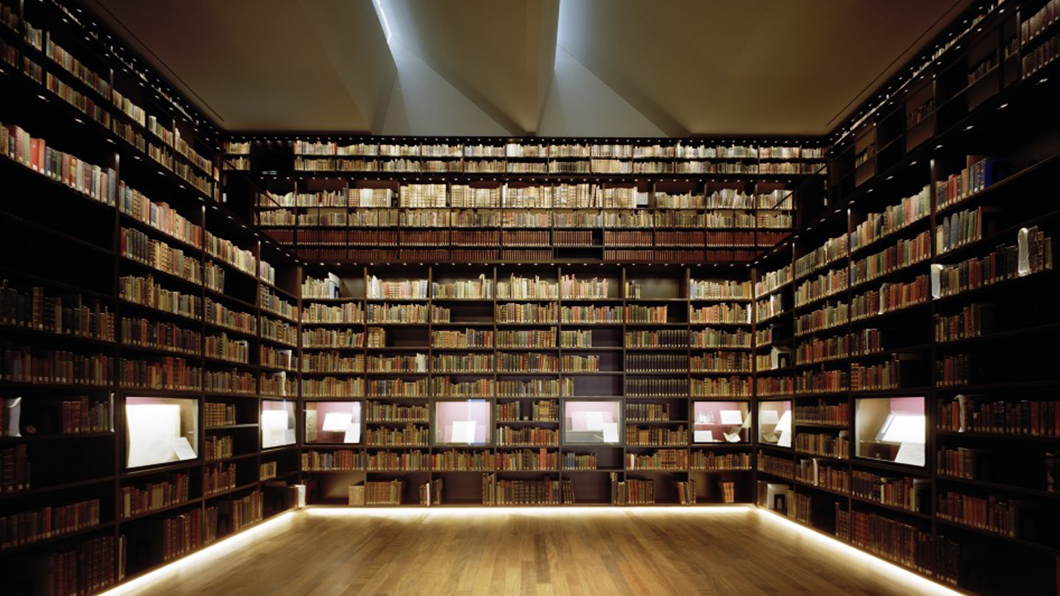
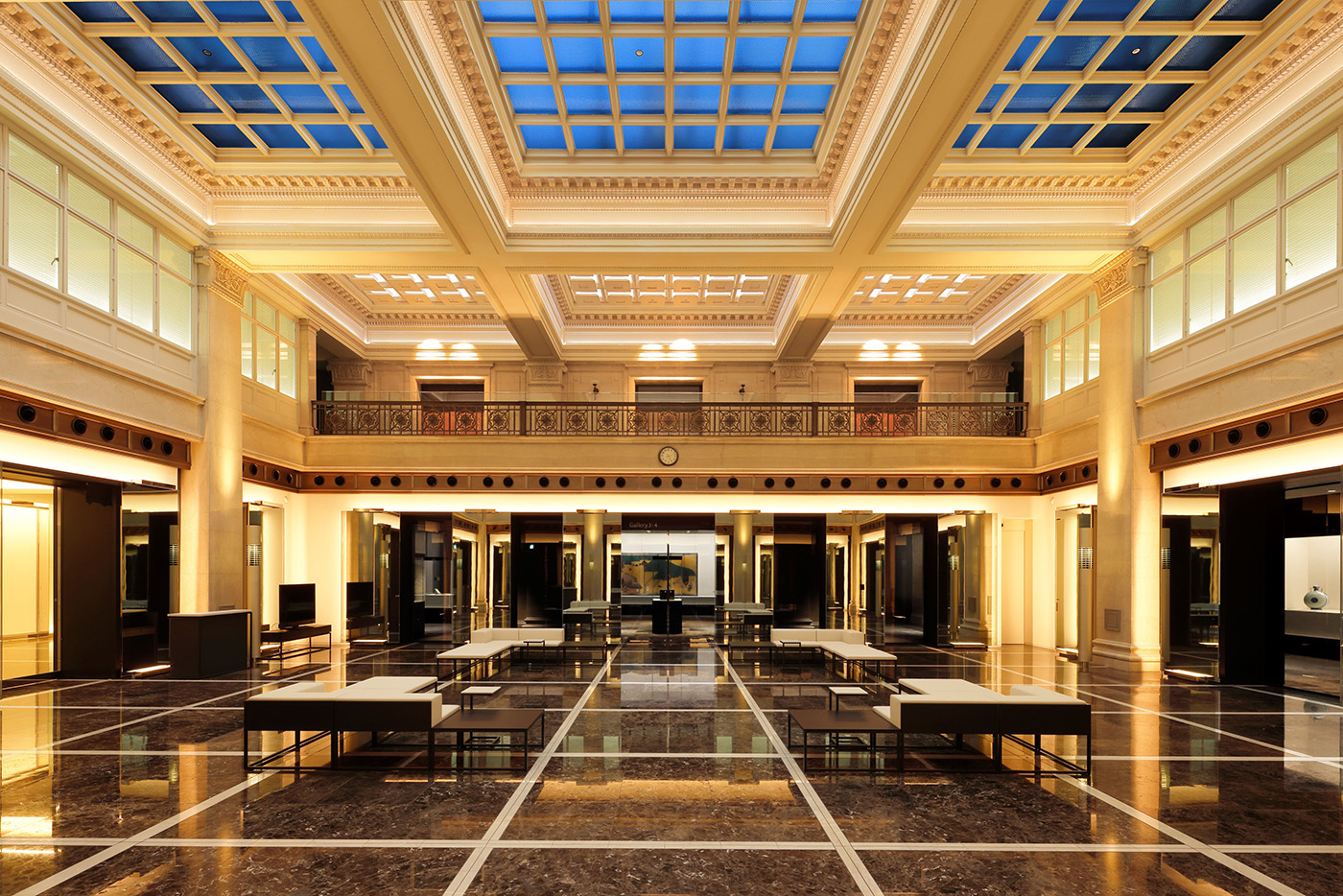
The Mitsubishi Group has also contributed to the preservation of classical documents and artworks through support for scholars and artists from the Meiji era through the period before the end of World War II. These efforts were led by the second through fourth presidents of Mitsubishi—Yanosuke Iwasaki, Hisaya Iwasaki, and Koyata Iwasaki. Hisaya established Toyo Bunko, which celebrated its centennial in 2024 and is recognized as one of the world’s leading research libraries and museums for Asian studies. Toyo Bunko reopened in January following a renovation project. Yanosuke and his successor, Koyata, established and expanded Seikado, which marked its 130th anniversary in 2022. The Seikado Bunko Art Museum, located in Tokyo’s Marunouchi district, houses approximately 6,500 classical Asian artworks, including seven National Treasures and 84 Important Cultural Properties, which are showcased through a variety of exhibitions.
Smithsonian’s National Museum of Asian Art
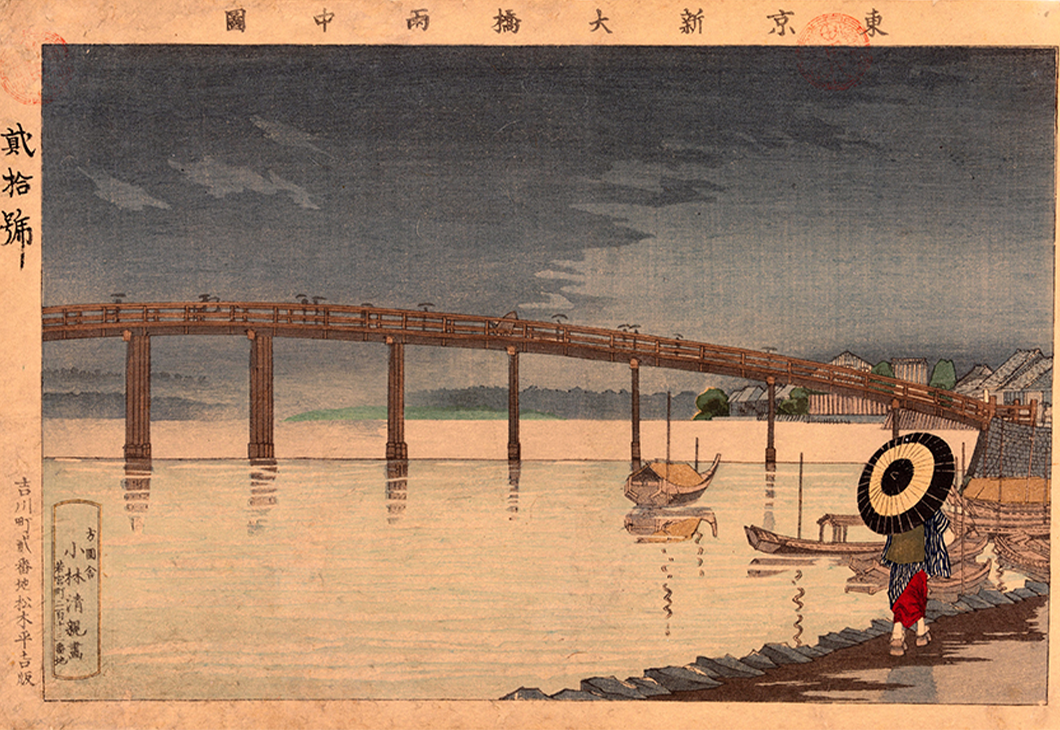
Opened in 1923 in Washington, D.C., the Smithsonian’s National Museum of Asian Art is the first national art museum in the United States. It was founded via a bequest of Asian and American artworks collected by businessman Charles Lang Freer. The museum’s collection of approximately 15,000 Japanese artworks is considered among the most distinguished in the world. In addition to ukiyo-e and shin-hanga, the museum presents Japanese art from a multifaceted and specialized perspective, including modern painting and lacquerware.
Tokyo National Museum
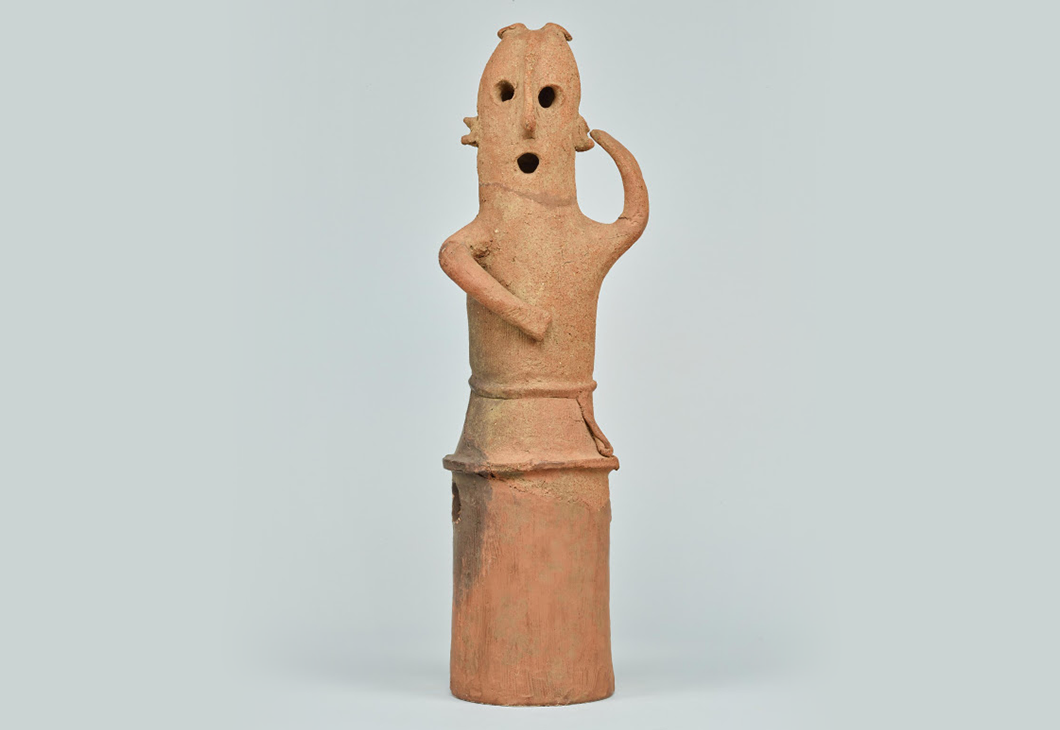
On display through Sunday, June 28, on 2nd floor of the Honkan.
From ColBase
Established in 1872 in Ueno Park, the Tokyo National Museum is recognized as the oldest national museum in Japan. Centered on Japan, its collection comprises approximately 120,000 works, including 90 National Treasures and 652 Important Cultural Properties, spanning a wide range of Asian cultures. In both quality and quantity, its holdings are unmatched in Japan. The museum consists of six facilities, including the Honkan, the Heiseikan for special exhibitions, and the Toyokan, which features Asian art.

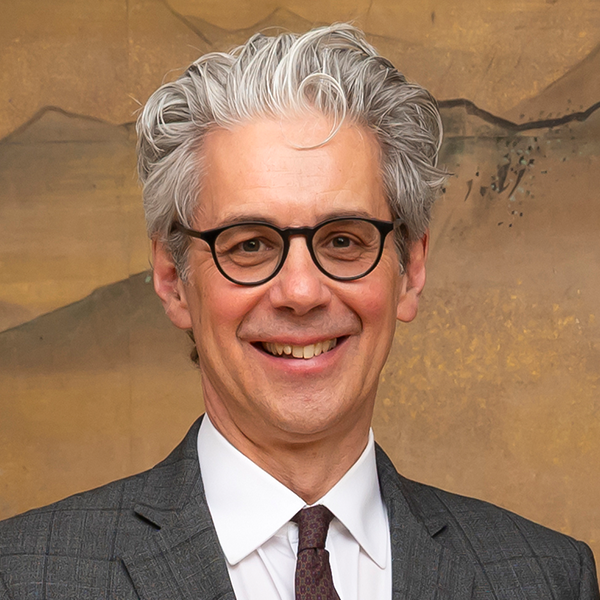
Chase F. Robinson
He has served as director since December 2018. He earned his bachelor’s degree from Brown University and his doctorate from Harvard University’s Department of Near Eastern Languages & Civilizations. He was professor of early Islamic history in the Faculty of Asian and Middle Eastern Studies at the University of Oxford and later served as provost and president of the Graduate Center of the City University of New York. He has authored or edited nine books and more than forty articles that span the geographical and chronological breadth of the Islamic Middle East. His editorials and commentaries have appeared in several magazines and newspapers, including The New York Times.
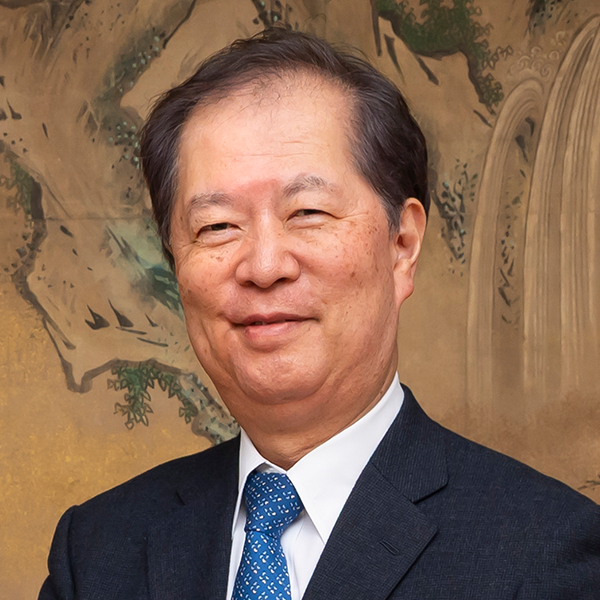
Makoto Fujiwara
Born in Tokyo in 1957, he graduated from the Faculty of Law at the University of Tokyo in 1982 and entered the Ministry of Education. He became executive director in June 2022 after serving as head of the Ministry of Education’s minister’s secretariat, director-general of the Elementary and Secondary Education Bureau, and administrative vice minister.