A Local Lens on Our Wide World
Provincial Flavors in the Spotlight! The Latest in Bangkok’s Thai Food Scene
3 min read

Mitsubishi Corporation has developed a global network to drive its next phase of growth by continuously improving its responsiveness to change and promoting collaboration across the organization, supported by the efficient and effective allocation of roles among the Head Office, MC offices, subsidiaries, and group companies. “A Local Lens on Our Wide World” taps into this far-reaching network, with employees at offices worldwide sharing insights into various aspects of local life.

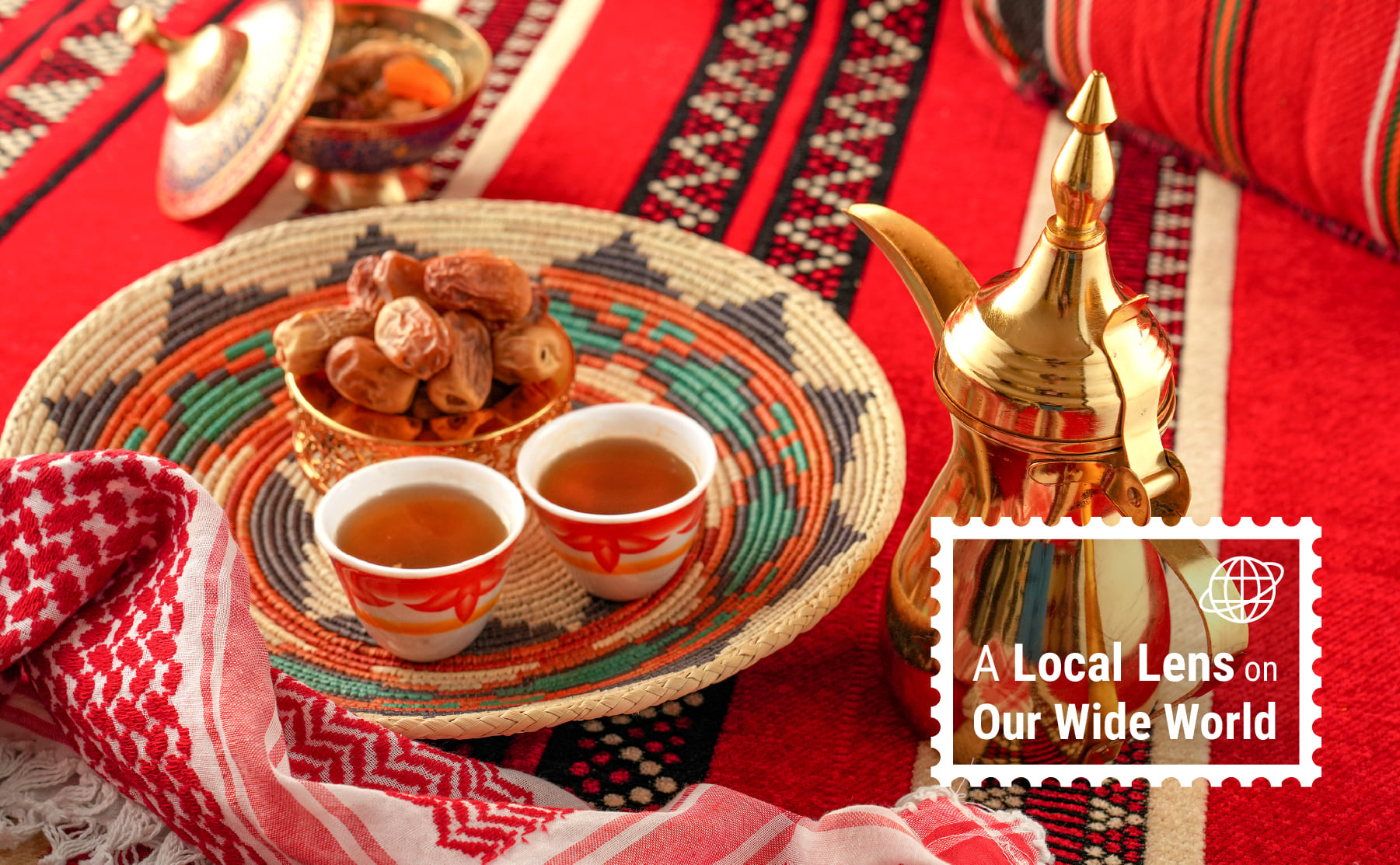
Arabic coffee has long been an important part of life in Saudi Arabia and across the wider Arabian Peninsula. In 2015, this cultural practice was inscribed on UNESCO’s Representative List of the Intangible Cultural Heritage of Humanity as “Arabic coffee, a symbol of generosity.” Serving guests Arabic coffee and dates is an important custom and a way of showing respect. As someone born and raised in Saudi Arabia, I would like to share some of the traditions of hospitality that are deeply rooted in my culture.
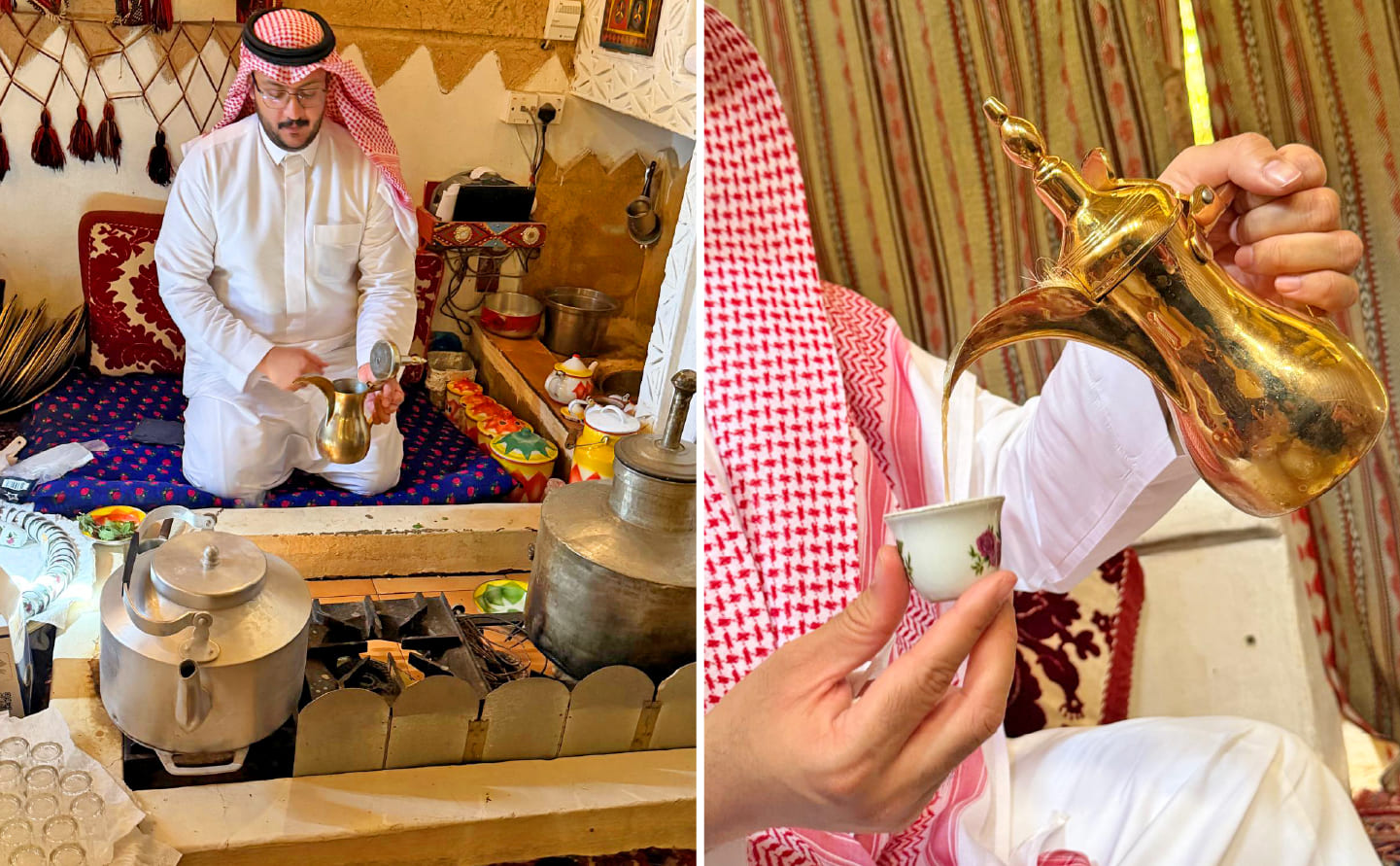
I still vividly remember joining my late grandfather in welcoming guests when I was young. When visitors arrived, he would greet them warmly and invite them to sit in his majlis (a traditional space for receiving guests). The coffee would be carefully prepared over a wood fire and poured from a metal prep pot called a mifwah into another metal pot called a dallah, then into a small, handleless cup called a finjal. Historically, the very first cup was tasted by the host or the person who brewed the coffee before serving guests. It served as a practical guarantee that the coffee was safe, well-prepared, of high quality. After that, the first cup served would be offered to the eldest or most honored guest as a gesture of respect. Only a small amount would be poured, allowing the host to offer refills - itself an important part of the ritual of hospitality. A gentle shake of the cup would signal that the guest had finished. We would remain attentive to the guests’ cups, offering refills while enjoying the conversation.
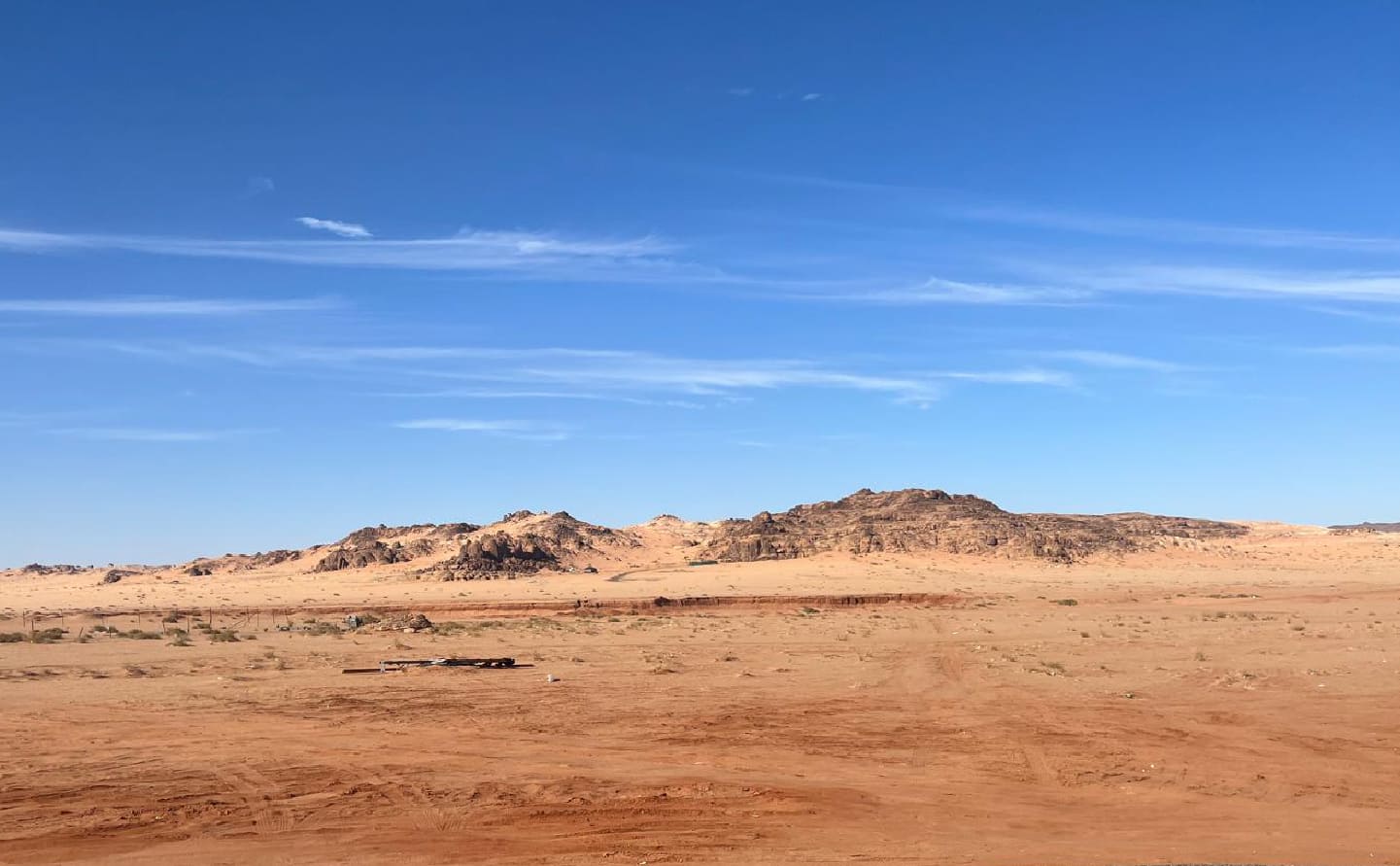
The roots of this tradition lie in the Arabian Desert. For centuries, travelers crossed vast desert landscapes where food, water, and shelter were not always easy to find. In this harsh environment, a deep spirit of hospitality took root. Welcoming others and offering help without expecting anything in return became a lasting measure of honor. In Saudi Arabia today, that spirit is reflected in every cup of coffee offered to a guest.
This culture of hospitality was further strengthened by Islamic teachings. This is especially evident in the holy cities of Makkah (Mecca) and Madinah (Medina). For all Saudis, welcoming pilgrims for the annual Hajj and year-round Umrah is an integral part of everyday life and an expression of faith.
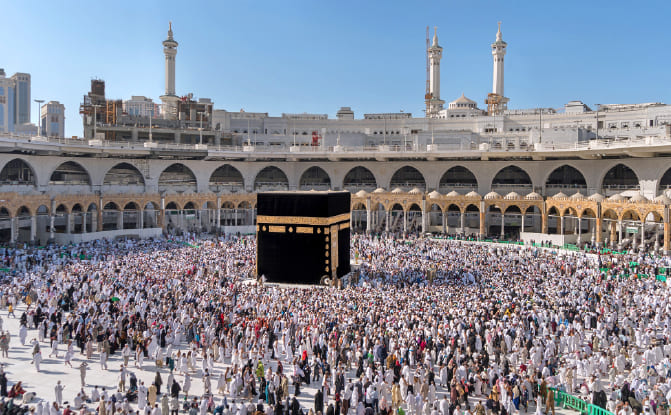
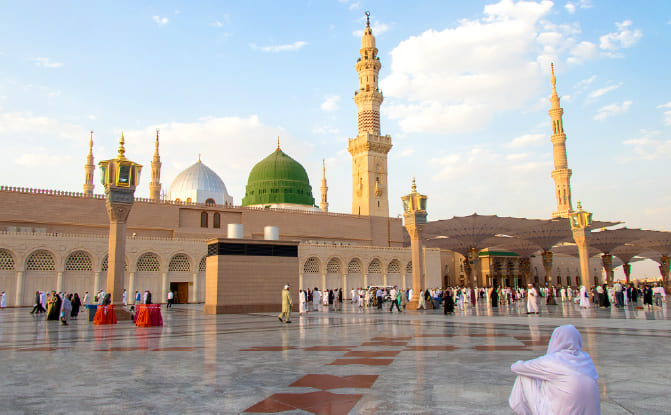
As Saudi Arabia’s tourism industry grows, part of the country’s appeal lies in the way its traditions continue to evolve, blending local customs with modern elements. Today, majlis-inspired spaces where Arabic coffee is served, cuisine showcasing regional flavors, and handcrafted items made by artisans allow visitors to experience the country’s heritage in comfortable, modern settings.

What continues to captivate visitors most, however, is the hospitality of the Saudi people. Whether welcoming someone into a family home or receiving guests in a hotel, the emphasis remains on respect, attentiveness, and taking time to build trust. Arabic coffee and dates may mark the beginning of that experience, but what many visitors remember most is the warmth of the welcome and the generosity extended long after the first cup has been served.